
Back to Blog
June 23, 2026
A Closer Look at Quiet-Run Generators: Tech Innovations for Noise Reduction
When the power goes out, it’s important to have a backup source of energy. Quiet-run generators provide that source of power without the loud mechanical noise produced by generators of years ago. Modern low noise home generator devices are designed to minimize mechanical noise during operation.
If you’re a homeowner who has previously dismissed built-in generators due to their noise levels, this is a good time to consider today’s silent generator technology. You can be safe, warm, and comfortable during the next power outage with help from a generator specifically designed for quiet operation.
What Makes a Generator Quiet-Run?
Quiet-run generators are specially designed with advanced technology and sound-dampening components to ensure effective but quiet power delivery. There are many ways in which today’s silent generators differ from older generators.
What Low-Noise and Quiet-Run Claims Mean in Real Use
Low-noise generators aren’t completely silent, but they’re so quiet that their sounds are easily ignored. While the sound varies depending on the model and load level, Generac models even have a “Quiet Test Mode” during which the generator runs at a lower RPM, resulting in a quieter run during self-tests.
Realistic Expectations for Silent Generator Technology
Silent generator technology is designed to minimize generator noise levels while operating efficiently to generate sufficient power for consumer use. Many factors affect generator noise levels during operation, including generator size, power output, placement, model, and engine load.
Sound-dampening enclosures and insulation help to significantly reduce noise. Proper installation is essential for ensuring quiet operation, so it’s important to choose a generator installation company you can trust.
How Generator Noise Is Measured
Generator noise is measured in decibel ratings, but more importantly, it’s measured by the consumers who use the generator regularly. If your generator is just too noisy, it’s a problem.
Perceived Noise vs Decibel Ratings
Quiet-run Generac home generators typically operate at 60 to 70 decibels, approximately the volume of a typical conversation or an outdoor air conditioner unit. Generators may seem louder when they’re poorly placed or incorrectly installed, but a well-installed quiet-run generator may be no louder than the sound of a friend or neighbor telling a story.
Typical Noise Levels for Quiet-Run Home Generators
The sound of a quiet-running generator may be described as the steady hum of a car engine idling. Outside your house, it may contribute to the ambient noise of daily life. From inside, you may not hear it at all.
The Technology Behind Quiet-Run Generators
Quiet-run generators are specially designed to reduce noise from a variety of sources, including exhaust, vibrations, mechanical noises, and more. This new generation of silent generator technology works through efficient engine design, smart casing, and creative inverter technology.
Engine Design and Its Impact on Noise
Today’s generators are optimized for smooth operation. This helps reduce vibration and mechanical sounds.
Inverter Technology and Quieter Operation
Yesterday’s generators ran engines at constant speed, producing a steady, loud sound. Today’s silent generator technology utilizes inverters to adjust the engine speed in response to power demand. When less power is needed, the engine slows down. This type of operation isn’t just quieter, it’s also more efficient, saving you money and wear and tear on the generator.
Load-Based Speed Control and Sound Reduction
The load-based speed control function on new generators means that lower energy loads mean less noise. Modern generators also make smooth transitions to avoid abrupt revving noises.
Enclosures, Insulation, and Vibration Control
The casing for the generator makes a big difference. A quiet-run generator frame can trap engine noise with panels and sound-absorbent insulation.
Sound-Dampening Materials Used in Quiet-Run Designs
Some materials are just louder than others. Rubber mounts and materials like foam insulation contribute to reduced noise when the generator is in operation.
Muffler and Exhaust Systems That Reduce Noise
Today’s generators use specially designed exhaust systems that minimize sharp exhaust noises. These advanced muffler systems are specifically made to help reduce the sounds of a standard generator.
Spotlight on Modern Quiet-Run Generator Models
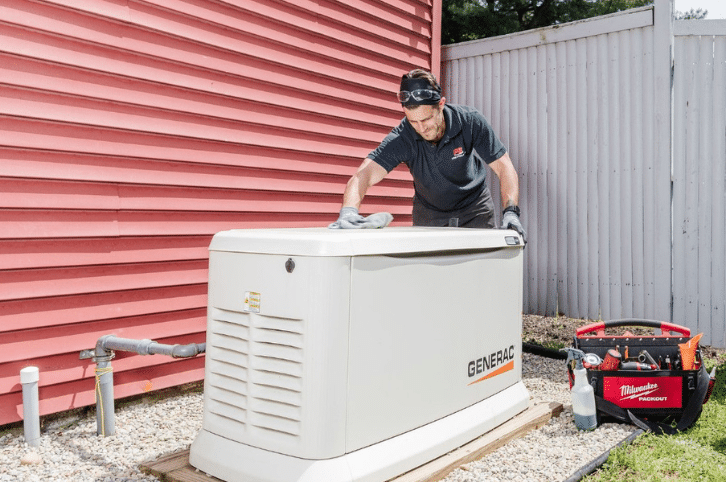
At PE Home Generators, we install Generac Guardian series generators for reliable, efficient backup power. These models are known for low-noise operation when in use and also feature a Quiet Test Mode that activates during routine self-tests.
We also install the Generac Protector series generators. These models are similarly known for quiet operation and Quiet Test Mode. They also feature a quiet performance 2.4L 1800 RPM engine.
How Today’s Quiet-Run Generator Models Differ From Older Designs
Older generators produced loud noises regardless of power demand; modern quiet-run generators do not. Modern generators also incorporate many design innovations to dampen noise. Today, everything from the generator’s materials to the enclosure is designed to reduce the sound of the operational generator.
Maintaining Quiet-Run Performance
Generators can grow louder as they fall into disrepair. Maintaining good generator service with a trusted company can help ensure that your generator will continue to operate as needed.
Talk to the Generator Experts at PE Home Generators
Don’t let your home go dark during the next storm. Enjoy the quiet convenience of a home generator. Let the professionals at PE Home Generators help with the installation of a low-noise home generator for your property. Contact us to discuss financing options for our silent generator technology.
Recent News
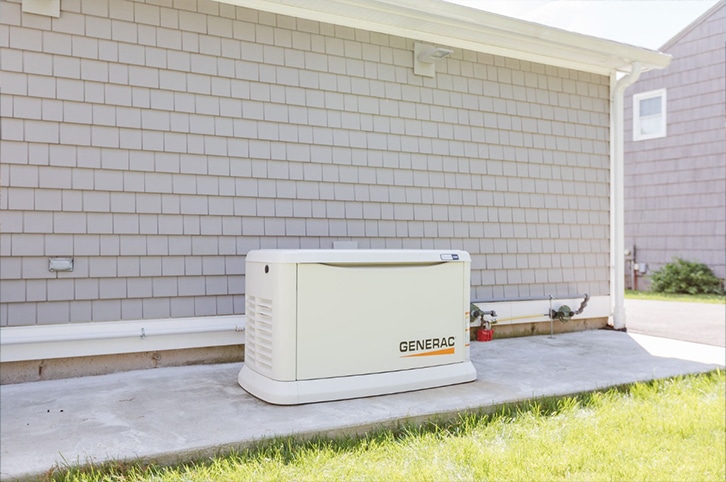
Generac vs. Kohler: Which Whole-House Generator Is Right for Your Home?
September 29, 2026
How Long Can a Home Generator Run During a Power Outage?
September 29, 2026
Smart Homes Need Reliable Power: Keeping Modern Homes Running Without Interruption
September 3, 2026
The Most Common Problems Homeowners Face and How to Prevent Them
August 20, 2026
El Niño: What Does El Niño Mean for Connecticut and How to Be Prepared
July 29, 2026

Why Today’s Homes Are Using More Power Than Ever Before
July 27, 2026