
Back to Blog

June 23, 2026
Can Your Home Support a Generator?
The world is an uncertain place, especially when you’re reliant on the power grid. Power outages caused by severe weather and grid strain put Connecticut homeowners in a difficult position every year. Having backup power for your New England home can increase your property value and reduce stress.
If you’re considering a backup power source for your property, one of the first questions to ask is: “Can my home be supported by a generator?”
Generator installation involves more than simply choosing a unit size. It starts with an evaluation of your property, including its layout, yard space, and your home’s electrical system. Working with a trusted generator installation contractor to calculate home generator requirements can help ensure that your installation is a success.
Can Any Home Install a Generator?
Most homes can support a generator with the proper setup. Some considerations include:
- Electrical system compatibility: Home generator installation requirements sometimes require older homes to go through electrical upgrades before installation is possible.
- Generator location options: Homes with limited outdoor space may have fewer generator options.
- Fuel availability: Different types of whole-home generators run off different types of fuel. The type of generator that a home can have depends on the availability of the required fuel.
Why a Professional Evaluation Matters
To determine whether a generator is right for your home and what type is best, you’ll need an evaluation from a professional installer. During the evaluation, the installer will inspect your electrical system and perform load calculations to determine generator size.
After determining what size generator is right for your home, they’ll evaluate your property to determine where (and whether) a generator can be positioned to meet code requirements. This professional evaluation helps ensure your generator will meet your home’s electrical demand without overload.
Electrical System Requirements
Your generator must work safely with your home’s electrical system. Some potential reasons your home’s electrical system may not meet requirements include:
- Panel incompatibility: If your panel is older, it may not be designed for integration with a whole-home generator. If so, this will be identified during the evaluation, and the installer will recommend a new panel.
- Load management: The installer will calculate the total load that the panel and generator must be able to manage when appliances and other devices are running on your generator. If your panel can’t manage the load safely, the installer may recommend replacement.
- Code compliance: Generator installation requires permits. If your electrical system is not code-compliant, the problem will need to be remediated during the home generator installation.
What a Transfer Switch Does
The transfer switch connects the generator to the electrical system and switches power from the panel to the generator during an outage. The transfer switch is a requirement when installing a whole-home generator.
Determining What Your Home Can Power
Whole-home generators are capable of running a variety of appliances during an outage, including the HVAC system, refrigerators, medical devices, sump pumps, and more. Large appliances increase the total electrical demand during an outage. Some homeowners choose to rely on a load manager, a device that can shed connected loads when too much demand is placed on the generator.
Wiring and System Compatibility
The existing wiring in a home must also be compatible with the whole-home generator. In some cases, rewiring is required to help ensure safety and code compliance.
Fuel Source and Utility Considerations
All generators need a fuel source. The type of generator that your home can support depends on the type of fuel available through your utility services.
Choosing the Right Fuel Source
Typical fuel options include liquid propane vapor (LP) or pipeline natural gas (NG). Fuel availability during emergencies is a consideration. Many home generators run on natural gas, which provides continuous fuel via the local utility.
Natural Gas vs. Propane Requirements
Natural gas generators connect directly to utility lines, whereas propane systems require on-site storage tanks that are refilled periodically.
Utility Connection and Fuel Supply Factors & Accessibility
Whether your house is better suited to natural gas or propane depends on your utility infrastructure. You may need a new gas meter with a higher capacity to accommodate the generator. If you’re adding a propane tank to your property, building codes, safety, and accessibility will affect where the propane tank can be installed.
Fuel Line Placement and Accessibility
Fuel lines must be properly placed for accessibility and of the correct size to ensure adequate pressure and flow during operation. Incorrect placement or line size creates a risk to the home and the functionality of the generator. All connections must meet building codes.
Property Requirements, Placement, and Local Regulations
Many factors are taken into consideration when a generator is placed on a property, including safety and code requirements, noise and airflow, and accessibility.
Where a Generator Can Be Installed
Generator placement gets complicated. Generators are installed outdoors in a location with proper air flow and on a level surface. Your unit must be placed near the fuel connection to improve efficiency, and away from doors, windows, and air intakes.
Your generator should not be installed in a low-lying area that could be at risk of flooding. Noise is a consideration, as your generator should not be installed in an area where it would be considered a nuisance.
Clearance and Setback Requirements
Generator manufacturers specify the minimum clearance distance for each model, but local codes also impact placement. This is why it’s important to hire a contractor who is familiar with local codes and the generator models being installed.
Local Codes, Permits, and HOA Rules
Your generator installation will require permits to ensure that all connections and installations comply with building codes. Permit requirements vary, but a professional installer will be familiar with the permitting process and can get through it easily.
If you live in an area subject to an HOA, there may also be rules around the generator visibility and noise restrictions.
Preparing the Installation Area
Every generator requires a stable surface for mounting. To install the stable surface, the ground must be leveled, vegetation removed, and if drainage equipment is required, it will need to be installed.
Environmental and Weather Considerations
If you live in a coastal environment, you may need corrosion-resistant equipment. Additionally, if you live in a flood-prone area or on a property that is difficult to access at certain times of year, this will also be a consideration.
Accessibility for Maintenance and Service
Good technicians know how to choose a location where they can access the generator. In some cases, this can impact how you landscape in the future, because you’ll need to maintain that accessibility and airflow in the future.
Request an In-Home Consultation
Proper placement and installation of your whole-home generator is important for the generator’s functionality and safety. To get your project off to a good start, contact PE Home Generators.
Recent News
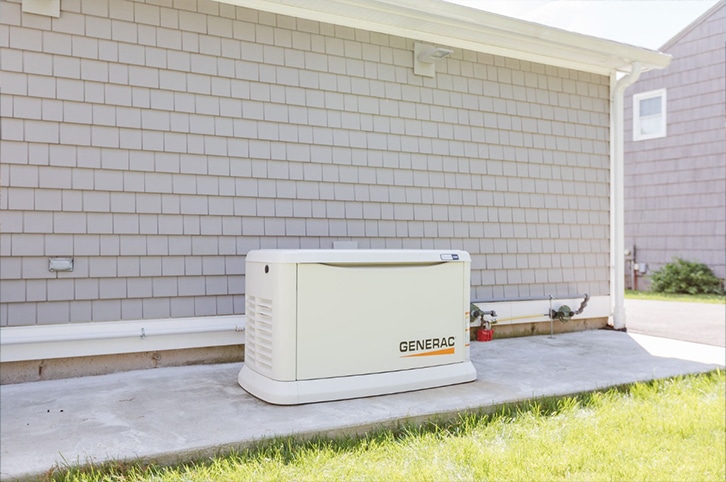
Generac vs. Kohler: Which Whole-House Generator Is Right for Your Home?
September 29, 2026
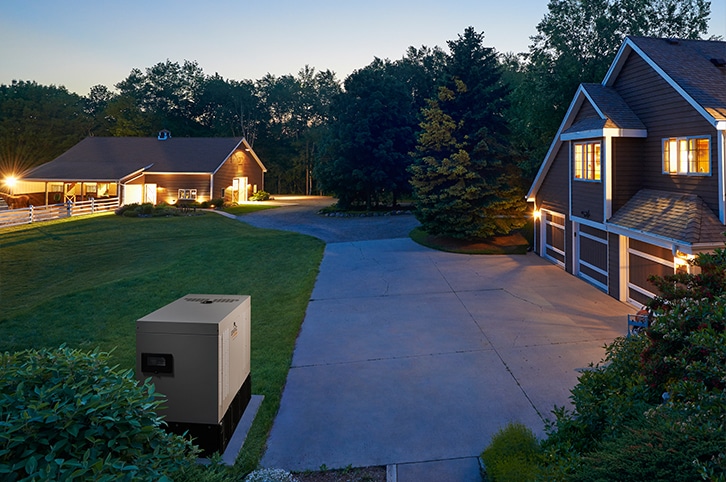
How Long Can a Home Generator Run During a Power Outage?
September 29, 2026

Smart Homes Need Reliable Power: Keeping Modern Homes Running Without Interruption
September 3, 2026
The Most Common Problems Homeowners Face and How to Prevent Them
August 20, 2026
El Niño: What Does El Niño Mean for Connecticut and How to Be Prepared
July 29, 2026
Why Today’s Homes Are Using More Power Than Ever Before
July 27, 2026