Back to Blog
July 27, 2026
Seventy years ago, households relied on little electricity, and the energy they did use went to lighting, refrigeration, washing machines, and small appliances. Over decades, our reliance on energy has changed. Today, modern homes run more devices, systems, and technology than ever before.
Where did the change come from? Remote work. EVs. Phones. Computers and smart home technology. All of these realities have quietly reshaped how much power a household needs day to day. Our lives revolve around electronic communications, instant information, and energy-intensive technology. That rising demand raises the stakes when the power goes out, and when we’re left in the dark, we’re stuck at a standstill.
Whole-home generators are built to keep up with residential power demand trends. Power outages no longer mean life stops until the grid comes back online. With a whole home generator, households can keep functioning from one outage to the next, one storm to the next.
The Modern Home Runs on More Than Just Lights and Appliances
Household electricity growth has been a quiet process, happening by increments. In the year 2000, a national survey showed that only 28.3 percent of respondents owned their own cell phone. Just two years later, that number had increased to one-half.
This change underlies the more dramatic shift that society has made in recent years. People are expected to be available, efficient, and plugged in all the time, in their jobs and in their personal lives. Homeowners must juggle work, technology, and transportation for themselves, their children, aging parents, and so on, and they’re expected to do so without interruption.
From Remote Work to EVs: What’s Really Driving Up Household Electricity Growth
People who work from home dedicate a lot of energy to their remote work setup. Monitors, routers, printers — these devices run all day long. Meanwhile, smart home devices like thermostats, cameras, and speakers always draw power because they monitor the environment and adjust themselves accordingly.
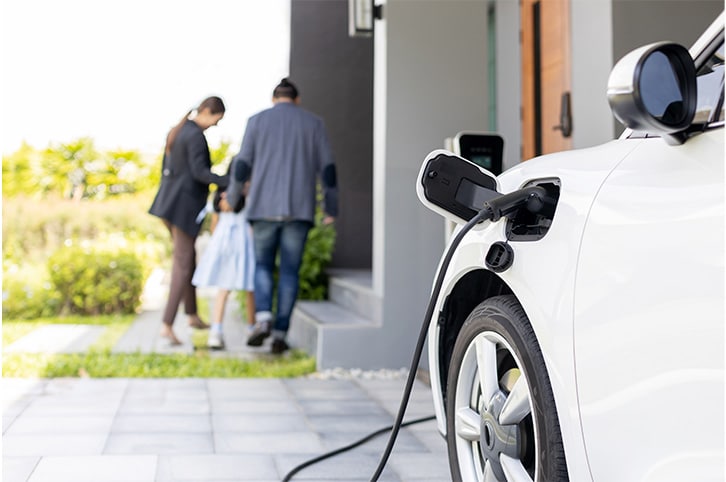
EV charging is a major new nightly load. In 2025, 10% of all new vehicles sold in the United States were electric, according to Pew Research. And in homes with game and movie lovers, each household may operate multiple streaming and gaming devices.
The Data Behind Rising Residential Power Demand Trends
According to the US Energy Information Administration, total US electricity consumption was 14 times greater in 2025 than it was in 1950. Increases in electricity usage occurred in all but 12 years in the span between.
In other words, we use more electricity every year. It’s become an essential and central part of our lifestyles and routines.
What Higher Power Demand Means When the Grid Goes Down
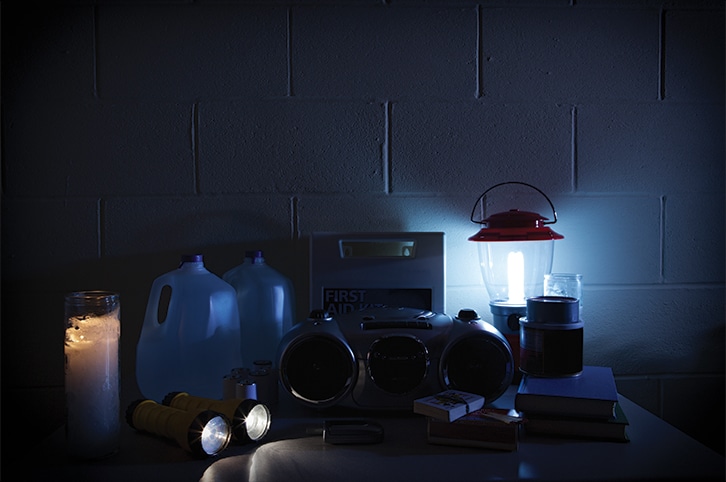
When the power goes out, people don’t just lose the lights. They lose work capability, EV charging for tomorrow’s commute, climate control that maintains a safe and comfortable home, and security systems that protect the house. In Connecticut, where aging infrastructure was built for yesterday’s climate, the increasing rate of storms is more disruptive now than ever before.
Why a Whole-Home Generator Is Built for the Way We Live Now
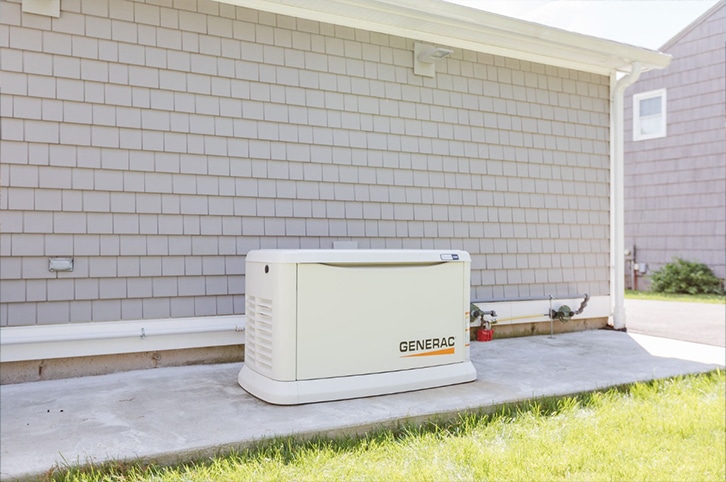
Standby home generators provide coverage for the whole home when the grid goes down. Having a whole-home generator means more than just keeping a few lights on: it means being prepared for emergencies, maintaining routines and continuing life as normal, even when unexpected events occur. In households with whole-home generators, refrigerators keep running, phone batteries keep charging, and the printer keeps printing.
- Storms are far less disruptive. In houses where power is lost during severe storms, everyday life stops for a while. Homeowners can’t open their refrigerators, make dinner, keep the heat running, or continue working at their jobs. Sometimes, going to a hotel is better than staying at home. In houses where the power comes from a standby generator, routines can stay the same.
- Power outages cost less money. Depending on its duration, a typical power outage can cost hundreds of dollars in spoiled food, lost productivity, and usage of emergency supplies. Whole home generators save money every time a power outage occurs, because of the lack of disruption to everyday life.
- Homes are safer and more secure. Power isn’t just a convenience; it helps keep us safe. Home alarm systems protect over 39 million US households. When the grid goes dark, security systems go dark too — unless the whole home generator kicks in.
Ready to Power the Way You Actually Live?
Modern homes are running more devices, systems, and technology than ever before. Remote work, EVs, and smart home tech have quietly reshaped how much power a household needs day-to-day. That rising demand raises the stakes when the power goes out. Power outages are disruptive and damaging to households and routines. A whole-home generator is built to keep up modern lifestyle energy consumption.
Your energy needs have changed over the years. Isn’t it time for your house to catch up? To learn more about whole home generators in Connecticut and how they have kept up with the home electricity demand increase, contact PE Home Generators. During your one-on-one consultation, you’ll learn more about whole home generator installation. Our team has the expertise to help you choose a whole home generator that will fit your home and lifestyle.
Recent News
Generac vs. Kohler: Which Whole-House Generator Is Right for Your Home?
September 29, 2026
How Long Can a Home Generator Run During a Power Outage?
September 29, 2026
Smart Homes Need Reliable Power: Keeping Modern Homes Running Without Interruption
September 3, 2026
The Most Common Problems Homeowners Face and How to Prevent Them
August 20, 2026
El Niño: What Does El Niño Mean for Connecticut and How to Be Prepared
July 29, 2026
Why Power Outages Are Increasing (And What It Means for Your Home)
July 27, 2026