Back to Blog
July 29, 2026
You may have heard that the 2026 El Niño is predicted to be a strong one, but did you know that the National Oceanic and Atmospheric Administration (NOAA) says there’s now a 97% chance that El Niño persists through early spring 2027? They’re predicting an 81% chance of a “super” El Niño coming, one of the strongest on record.
Homeowners in Connecticut are understandably asking what this means for their homes, their property, and their day-to-day lives. How will this affect storms, winter weather, and power reliability?
While an El Niño can point to a quieter Atlantic hurricane season, a milder or drier winter is still no guarantee. Neither are power outages. Here’s what CT residents should know.
What Is El Niño, and Why Is 2026 Different?
El Niño is the periodic warming of the tropical Pacific Ocean that shifts global weather patterns. During El Niño, trade winds weaken, and warm water is pushed toward the west coast of the United States. This shift affects weather patterns across the United States, with many parts of the US experiencing warmer, drier conditions than usual. In the Northeast, standard El Niño activity can bring wet or dry winters, and there is no way to predict the future. During a super El Niño, the Northeast is more likely to experience a dry winter.
The El Niño that NOAA is predicting for 2026 is on pace to rank among the most severe since 1950. Supporting this prediction is the European Center for Medium-Range Weather Forecasts (ECMWF) model, which shows water temperatures possibly exceeding 3°C above average.
What Does This Mean for Connecticut Homeowners? When Will Super El Niño Arrive?
There have been only 5 true “super” El Niños since 1950, with the last one occurring in 2015-16, and there’s no way to predict whether a super El Niño will come this year. In other words, most homeowners in Connecticut don’t know what to expect in the coming months. There are few previous experiences to draw upon. The best way to be prepared is to be prepared for everything.
Is a Super El Niño Coming in 2026?
Weather predictions aren’t set in stone. However, current sea-surface temperatures are already higher than usual (1.2°C above average and climbing). What determines a super El Niño? According to experts, super events are characterized by ocean waters warmer than 2°C above average. The peak of this event is likely to occur in autumn and early winter 2026.
What Does El Niño Mean for Connecticut?
When it comes to the weather, homeowners in Connecticut have two main areas of concern: hurricanes and winter storms.
- Hurricane season: The average probability of hurricane impact in Connecticut is about 8% in an average year, with a 1% chance of a major hurricane impact. The good news is that El Niño years tend to suppress Atlantic hurricane activity due to increased wind shear. Of course, this is not a guarantee of a storm-free season. Homeowners should maintain their normal level of diligence when it comes to hurricane preparedness.
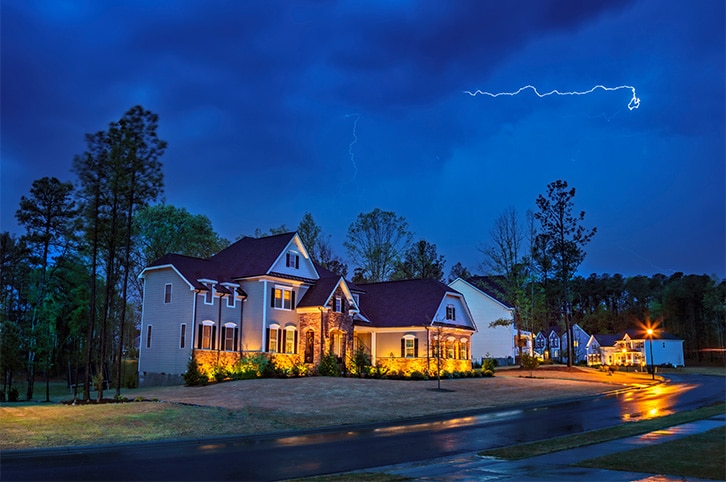
- Winter storms: Northern states typically trend milder and drier during El Niño years — but “milder” doesn’t mean storm-free. Even during a super El Niño, ice storms, nor’easters, and wind events can still cause outages.
What’s the bottom line for CT homeowners? A quieter seasonal forecast is not the same as a guaranteed quiet winter season. Utility outages are driven by many factors beyond ENSO patterns. The aging power infrastructure in the coastal Northeast can experience widespread power outages for many reasons. Software failures, overloaded lines, and cascading power collapses can occur at unexpected times and for reasons that have less to do with the weather and more to do with human error.
Why Power Preparedness Still Matters This Year
As a homeowner in Connecticut, you probably know that even average storm seasons can cause multi-day outages across CT. Milder winters can still bring ice, wind, and temperature swings that stress the grid. A quieter forecast is a good time to prepare calmly, not a reason to skip prep.
How to Prepare for Power Outages In Connecticut
Power outages in Connecticut can cost homeowners hundreds or even thousands of dollars. Lost food, days spent in hotels, frozen pipes — all of these problems can cost homeowners in big ways. You can minimize the financial damage by getting prepared for power outages. Here’s what you can do.
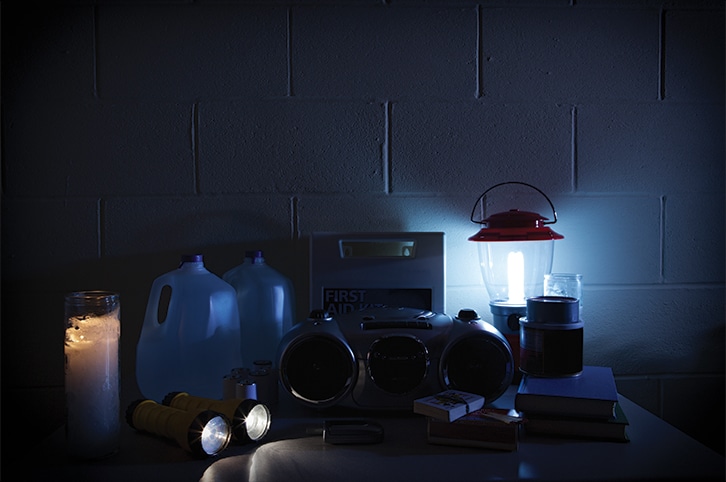
- Build an emergency kit. Get ready for emergencies by keeping a 3-day supply (at minimum) of water, food, and medications on hand in your home. Include flashlights and batteries.
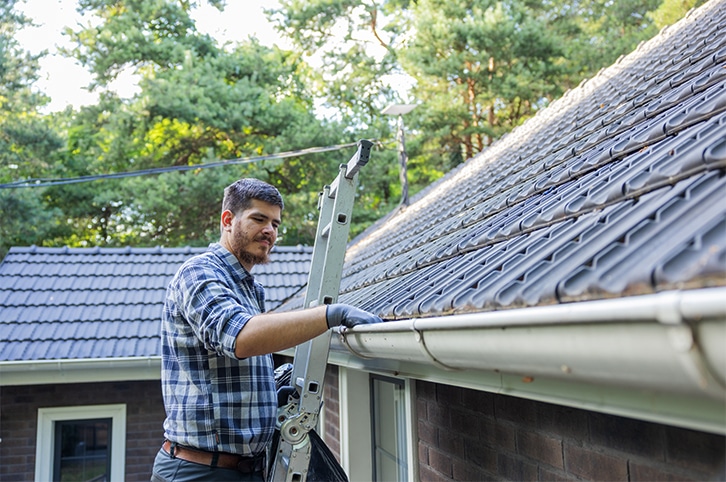
- Keep up with home maintenance. The best way to ensure that your home is ready for storms is to keep it well-maintained. Address problems like roof leaks and damaged siding as soon as possible.
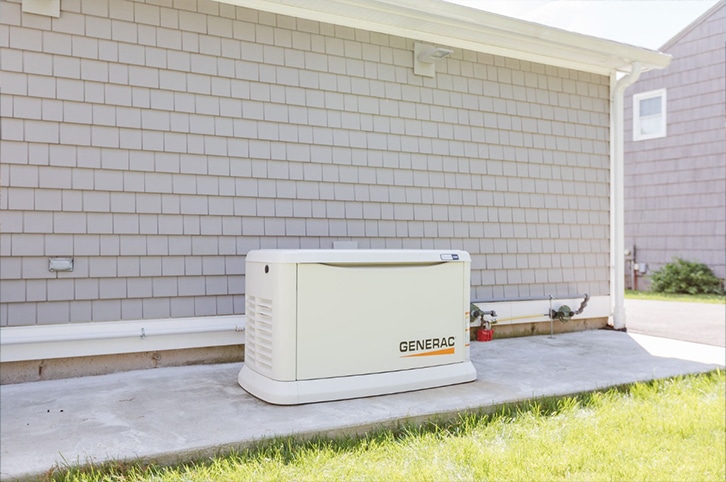
- Install a whole-home generator. A whole-home generator can be a lifesaver during power outages, sometimes literally. Well-maintained whole-home generators provide seamless power to systems such as the refrigerator, HVAC system, and medical equipment. Having a whole-home generator can mean the difference between living comfortably at home during an outage and having to leave.
Get Ready Today! PE Home Generators Help CT Homeowners Stay Powered
Is there a super El Niño coming? While there’s no way to know when or if the super El Niño will start, you can get ready today.
Whole-home standby generator installation across Connecticut can make your home safer and more comfortable during unexpected power outages. To get started with your generator installation in Connecticut, turn to the professionals. PE Home Generators has local expertise in sizing, permitting, and installation for CT homes (see where we service here). Schedule a free consultation and estimate to learn more about our financing options and which type of generator is best for you – before peak storm season demand hits.
Recent News
Generac vs. Kohler: Which Whole-House Generator Is Right for Your Home?
September 29, 2026

How Long Can a Home Generator Run During a Power Outage?
September 29, 2026

Smart Homes Need Reliable Power: Keeping Modern Homes Running Without Interruption
September 3, 2026
The Most Common Problems Homeowners Face and How to Prevent Them
August 20, 2026
Why Today’s Homes Are Using More Power Than Ever Before
July 27, 2026

Why Power Outages Are Increasing (And What It Means for Your Home)
July 27, 2026