
Back to Blog
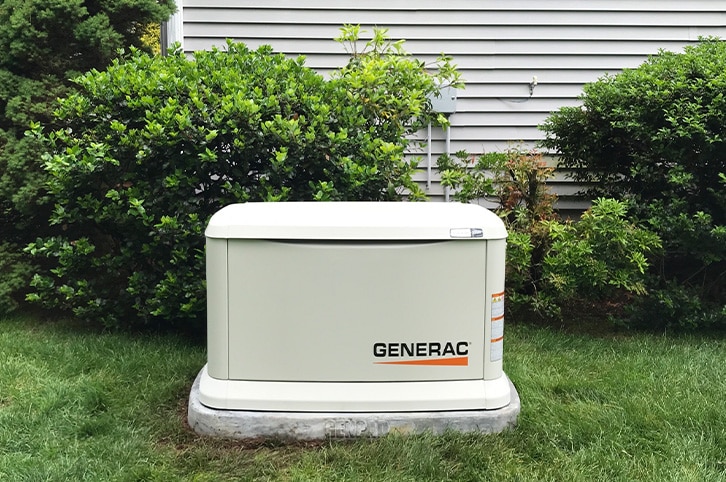
November 19, 2026
When severe weather knocks out power across Greater Hartford or along the Shoreline, a home standby generator is the difference between a dark, frozen house and seamless everyday comfort. But investing in a top-of-the-line Generac unit is only half the battle. The other half, and arguably the most critical, is who installs it.
Homeowners often ask: “Can’t any local electrician or general handyman drop it in?” or even, “Can I install a Generac generator myself to save a few bucks?”
While cutting corners upfront might look tempting on paper, whole-house standby power isn’t a weekend DIY project or a generic wiring job. Here is what separates an average installer from a factory-trained Generac Authorized Dealer, and why that difference safeguards your investment, your warranty, and your home’s electrical system.
Can I Install a Generac Generator Myself?
It is one of the most common questions we hear: can I install a Generac generator myself?
Technically, local codes permitting, a homeowner can physically buy a generator and set it on a pad. However, an actual standby generator installation requires:
- High-voltage utility service tie-ins
- Natural gas or high-pressure LP fuel line plumbing
- Precision automatic transfer switch (ATS) sub-panel wiring
- Local building, electrical, and fire permits
- Direct manufacturer commissioning and warranty activation
Mishandling fuel regulators leads to engine starvation or dangerous gas leaks. Miswiring a transfer switch can cause backfeeding into the utility grid, endangering utility line workers restoring power down your street. Furthermore, Generac’s factory warranty requires installation to meet strict manufacturer guidelines and local codes; an uncertified install frequently puts your warranty protection at risk from day one.
Simply put: standby power is a major electrical and mechanical infrastructure project. Leaving it to factory-certified specialists is the safest, most cost-effective move you can make.
The Average Installer vs. The Certified Difference
When you hire a general contractor, a handyman, or an electrician who only does backup power “on the side,” their objective is usually straightforward: connect the generator to the panel, fire it up, see that it runs, and hand you the bill.
The problem? That approach ignores the preexisting vulnerabilities lurking in your home’s service entry.
Standby generators don’t run in a vacuum. When an automatic transfer switch engages, it places instantaneous load shifts onto your home’s existing electrical infrastructure. If your electrical panel or service entrance is already compromised, disaster isn’t far behind.
Here is how a dedicated Generac Authorized Dealer compares to a general installer at every stage:
- Site Placement & Pad: While an average installer often drops the unit without evaluating ground slope or proximity hazards, a certified dealer ensures a precision-leveled pad that strictly complies with local NFPA clearance codes.
- Fuel Line Sizing: General contractors often tap into the nearest existing gas pipe without accounting for pressure drop. A certified technician runs precise BTU and CFM load calculations so your generator won’t stall out during peak demand.
- Service Entrance & Meter Health: Untrained installers overlook the utility meter and exterior service line entirely. We run full physical and thermal checks to uncover hidden arcing, loose jaws, or water damage before tying in equipment.
- Main Panel Integrity: Rather than simply landing an ATS breaker in a worn panel, certified technicians inspect bus bars, neutral connections, and grounding paths to ensure the home can safely handle the load transfer.
- Warranty Protection & Ongoing Support: General installers leave warranty registration to the homeowner and walk away. A Generac Authorized Dealer registers your system directly with the factory, honors warranty service, and provides dedicated long-term maintenance.
The Safety Check the “Average Guy” Overlooks
Our field technicians constantly encounter jobs where an uncertified installer threw a generator onto a property and left behind serious, undetected safety hazards.
At PE Home Generators, our job doesn’t begin at the generator pad; it begins at your electrical service entrance. Before we ever wire a unit, we conduct an extensive, multi-point infrastructure audit:
1. The Utility Electric Meter Base
Old or weather-worn meter sockets frequently harbor loose jaws, internal corrosion, or arcing damage. An average installer never opens or inspects this side of the system, leaving you at risk of sudden utility service failure.
2. The Overhead/Underground Service Entrance Wire
Decades of exposure to sun, ice, and tree friction can fray weather-heads and degrade exterior service cabling. If water creeps down that jacket into your main breaker, putting an automatic transfer switch into the loop can turn minor moisture into a major electrical short.
3. Main Panel Bus Bars & Grounding Paths
Double-tapped neutrals, undersized grounding electrodes, and overheated bus bars are common in older Connecticut basements. We point these critical safety issues out immediately and rectify them before tying in high-amperage backup power.
When you look at our job photos, you don’t just see a shiny new Generac unit sitting neatly outside; you see pristine, code-compliant conduits, brand-new heavy-duty service entries, balanced panels, and clean disconnects. We leave your entire home safer than we found it.
Secondary Image: A split-comparison image highlighting an uninspected, corroded main electrical panel versus a clean, organized, code-compliant panel installed by PE Home Generators.
Alt text: Comparison showing corroded electrical panel left by an uncertified installer versus a clean, inspected electrical panel by a Generac authorized dealer.
The PE Home Generators Turnkey Advantage
Buying backup power shouldn’t mean managing four different subcontractors, waiting weeks for the town hall to call you back, and hoping the gas company shows up on time.
As a dedicated Generac-certified installer, PE Home Generators delivers a completely turnkey installation experience:
- Custom Site Assessment & Sizing: We perform actual load calculations to ensure your unit carries your central AC, well pump, refrigeration, and medical devices without stalling.
- Permitting & Town Coordination: We pull all required municipal electrical and building permits across Greater Hartford, North Haven, and surrounding CT areas.
- Turnkey Gas & Electrical Hookups: We handle both the mechanical fuel plumbing and the electrical service tie-in under one coordinated umbrella.
- Code-Compliant Commissioning: We test transfer switch activation, fuel flow under load, and verify automated exercise routines before wrapping up.
- Ongoing Protection: Long after installation day, we keep your unit storm-ready through our comprehensive ultimate home generator maintenance checklist and routine annual servicing.
Protecting Your Generac Factory Warranty
Generac standby generators are engineered for decades of service, backed by robust manufacturer warranties. But read the fine print: damages caused by improper fuel delivery, incorrect ATS wiring, or sub-standard installation practices are not covered by the factory.
When you partner with a factory-authorized dealer:
- Your technician has completed rigorous, ongoing factory training directly from Generac.
- All replacement parts and accessories are 100% genuine OEM components.
- Warranty claims, software updates, and recalls are handled directly through Generac’s authorized dealer network without you being caught in the middle.
Don’t Leave Your Home’s Lifeline to Chance
When the power grid fails in the middle of a brutal nor’easter or a humid summer thunderstorm, your generator isn’t a luxury; it’s your home’s central nervous system. Entrusting that system to an unqualified installer or trying to wire it yourself introduces risks that far outweigh any short-term savings.
Get the peace of mind that comes from knowing your meter, service wiring, panel, and standby generator are installed to the highest industry and safety standards.
Ready to secure your home the right way? Contact PE Home Generators today for your free in-home consultation and site survey!
Recent News
Generac vs. Kohler: Which Whole-House Generator Is Right for Your Home?
September 29, 2026
How Long Can a Home Generator Run During a Power Outage?
September 29, 2026
Smart Homes Need Reliable Power: Keeping Modern Homes Running Without Interruption
September 3, 2026
The Most Common Problems Homeowners Face and How to Prevent Them
August 20, 2026

El Niño: What Does El Niño Mean for Connecticut and How to Be Prepared
July 29, 2026
Why Today’s Homes Are Using More Power Than Ever Before
July 27, 2026