Back to Blog
September 3, 2026
Smart homes make life easy, don’t they? They’re designed around the idea that technology can improve day-to-day routines through automation and connectivity. With enough devices working together, families are safer and more comfortable, but only if the power stays on. When the grid goes down, smart homes go dark, and the systems that homeowners use every day are rendered useless.
Power outages are common during times of severe weather and high energy demand. Having a backup generator protects the modern, connected home to ensure that smart homes stay smart. If you’re a homeowner with a smart home, you can avoid the effects of crippling power outages with a whole-home generator installation.
How Modern Homes Are Built Around Constant Power
Modern homes are wired for more than lighting and appliances. They rely on continuous electricity to deliver easy living home features, including:
- Security systems and cameras lock the home, monitor the property, and inform homeowners when there’s an intrusion, helping keep homeowners and their property safe.
- Wi-Fi routers and networked devices are essential for connectivity with the outside world. These devices are also essential for connecting smart home features with the people who use them. Without Wi-Fi and routers, the smart home isn’t smart.
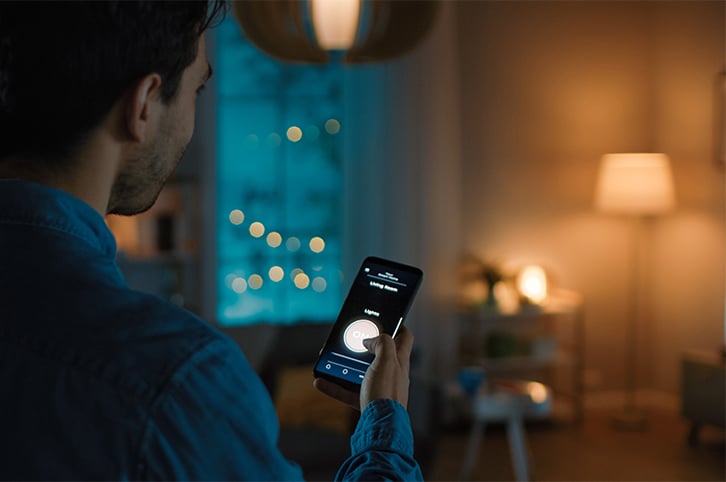
- Smart thermostats and lighting keep the house comfortable in more ways than one. It’s almost impossible to keep your home at a desirable temperature when the thermostat isn’t working, and it’s hard to get anything done in a house that’s mostly dark.
- Voice assistants and home hubs control all the various elements of your smart home, including the lights, locks, appliances, security system, and more.
- Automated locks and garage doors help keep your home safe and intruders out. Without power, automated locks lose many of their features that make them convenient and effective.
What Happens to Smart Systems When the Power Goes Out
Without power, smart home features shut down. Security cameras and alarm systems go dark, leaving homes vulnerable. Wi-Fi-dependent devices stop communicating, including laptops and smart speakers. Automated conveniences like locks, thermostats, and garage doors revert to manual operation or stop working altogether. Even refrigeration and medical equipment are impacted alongside “smart” features, compounding the disruption. Some essential activities that become difficult when you lose power include:
- Communication difficulty: Unless your home has a landline, you may not be able to reach anyone from the outside world without power. This can mean no working from home, no checking for updates with the power company, and potentially no calling for help.
- Cooking and cleaning challenges: It’s almost impossible to cook if you’re unable to open and close the fridge or use your stove. Cleaning is also difficult when the hot water heater isn’t working, and the house is dark.
- Essential comforts turned off: Without temperature control, your home may become cold and miserable or hot and muggy.
Why Practical Home Features Depend on Backup Power
Practical home features contribute to your home’s safety and security. A power outage does more than turn off the lights; it interrupts the systems that maintain the life you’re used to. The more connected a home is, the more there is to lose when the grid goes down.
How a Whole-Home Generator Protects Comfortable Everyday Living
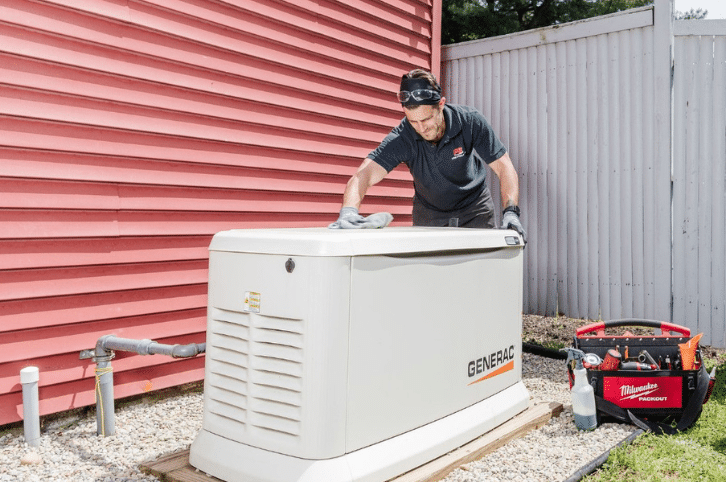
A Generac whole-home generator detects outages and restores power automatically, often within seconds. This enables smart home systems to stay online without manual resets or reconfiguration. During outages, homes with backup generators maintain comfortable everyday living regardless of what’s happening outside. Security systems and cameras stay active as well, maintaining protection when it’s needed most.
According to researchers, the number of large-scale power outages grew 29% in the years between 2018 and 2024. In 2024, electricity customers experienced eleven hours of electricity interruptions, double the number of 10 years earlier. In parts of Connecticut, typical power outages last between 1.5 and 2.5 hours, with longer outages lasting as long as 16.25 hours or more.
Despite these problems, homes with backup generators remain well-lit and functional, as if there were no power outage at all.
Generators as Part of a Functional Home Living Strategy
Modern homeowners plan for functional home living with the same intentionality they apply to design and automation. A generator isn’t an add-on. A generator is infrastructure, just like Wi-Fi or a smart thermostat. Here’s what a generator protects in a connected home:
- Refrigeration
- Medical equipment
- Security systems
- Internet and networked devices
- Climate control
Choosing the Right Generator for a Smart Connecticut Home
There’s a lot to consider when you’re choosing a whole-home generator for your house. Choosing the right contractor for the installation can help ensure the unit you choose will meet your needs. Here are some of the considerations for homeowners with connected systems:
- Sizing: The right size generator can handle your home’s automation, networking, and security loads.
- Placement: Correct placement matters for code compliance and functionality. An experienced local company like PE Home Generators will know how to place your generator in the best location on your property.
Many homeowners turn to PE Home Generators because of our experience installing in Connecticut homes. We know how to choose a generator of the correct size and how to position the generator to comply with local codes.
Stay Connected, Stay Protected
Smart home investment is only as good as its power source. Contact PE Home Generators to find the right whole-home generator for your modern household.
Recent News
The Most Common Problems Homeowners Face and How to Prevent Them
August 20, 2026
El Niño: What Does El Niño Mean for Connecticut and How to Be Prepared
July 29, 2026
Why Today’s Homes Are Using More Power Than Ever Before
July 27, 2026
Why Power Outages Are Increasing (And What It Means for Your Home)
July 27, 2026
What to Do When the Power Goes Out: A Realistic Homeowner Game Plan
July 14, 2026

What Today’s Homebuyers Are Really Looking for in 2026
June 30, 2026